Just How a Rest Study Can Transform Your Rest Patterns: Insights and Services Available
A rest study functions as a vital device for individuals seeking to understand and enhance their sleep patterns. It offers a comprehensive analysis of rest behaviors and potential conditions. By reviewing different metrics, health care professionals can determine underlying issues that interfere with restorative remainder. This process not only aids in diagnosis but additionally establishes the stage for customized therapy strategies. What understandings might a sleep research study expose about your very own rest routines?
Understanding Rest Researches: What to Anticipate
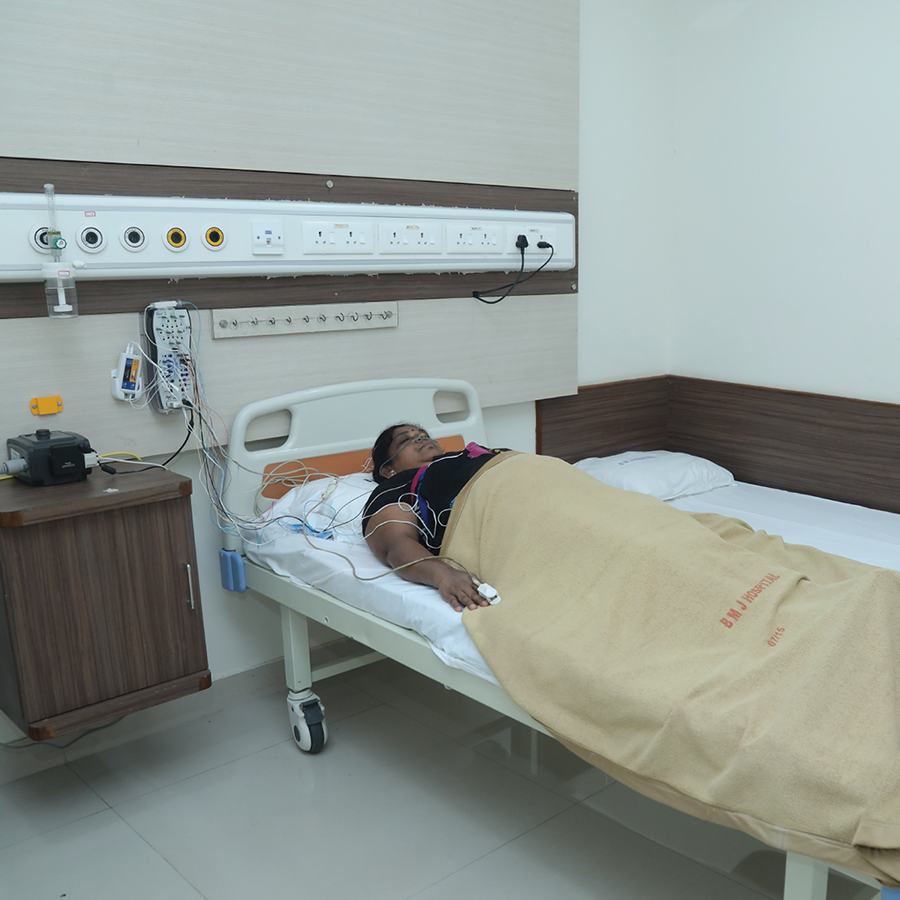
When people prepare for a rest research, they typically question what the experience will certainly entail. These researches, normally carried out in a sleep clinic, objective to keep track of numerous physiological parameters throughout sleep. Upon arrival, participants are welcomed by qualified technicians who lead them through the procedure. The setting is designed to be comfy, permitting an all-natural sleep experience. Participants may be asked to submit questionnaires regarding their rest behaviors and case history, which helps in the assessment.
As the evening progresses, sensors are affixed to the body to track brain waves, heart rate, and breathing patterns. While the arrangement might really feel unusual, the goal is to collect exact information on the person's rest patterns. The entire treatment is non-invasive and presents no risk to the participant. Ultimately, the data gathered throughout the sleep research study is essential for detecting prospective rest disorders and establishing effective therapy plans.
Usual Sleep Disorders Identified With Rest Researches
Rest studies play a necessary role in identifying numerous rest conditions that can substantially influence a person's wellness and well-being. Usual problems spotted via these studies consist of obstructive sleep apnea, defined by repeated disruptions in breathing throughout sleep, bring about fragmented sleep patterns. Another common problem is sleep problems, which entails trouble falling or staying asleep, typically leading to daytime fatigue and damaged performance. Uneasy legs syndrome (RLS) is likewise regularly observed, causing unpleasant feelings in the legs and an irrepressible urge to relocate them in the evening. Narcolepsy, a neurological condition that impacts sleep-wake cycles, is another serious condition identified in rest research studies, leading to extreme daytime drowsiness and unexpected rest attacks. Parasomnias, which incorporate unusual actions throughout sleep, such as sleepwalking or evening terrors, are additionally kept in mind. Early identification of these problems can facilitate prompt treatment and enhance general sleep high quality.
The Process of a Rest Research Study: From Preparation to Outcomes
Although the procedure of a sleep research may seem intimidating, it is a structured and systematic approach developed to gather necessary info concerning a person's rest patterns. Originally, a doctor carries out a complete analysis, going over sleep history and symptoms with the person. This assessment helps figure out the particular emphasis of the research study.
Preparation usually involves standards on sleep health and medication changes prior to the research. People may be advised to prevent high levels of caffeine and alcohol to ensure precise results. On the evening of the research, electrodes and sensing units are placed to keep track of mind task, heart rate, breathing, and movements throughout rest.
The information accumulated is thoroughly examined by rest specialists, that determine any type of problems or patterns indicative of rest conditions. Following this analysis, a follow-up examination is set up to review the searchings for and possible treatment choices tailored to the patient's demands, helping with better sleep quality.

Kinds Of Rest Studies: In-Lab vs. Home Rest Examinations
2 main sorts of sleep research studies exist: in-lab researches and home rest tests, each dealing with different demands and circumstances. In-lab researches typically occur in a rest center where clients are checked over night by healthcare professionals. This approach enables thorough information collection on different rest parameters, such as brain activity, oxygen levels, and heart price. Individuals are often connected to several sensors, providing in-depth understandings into their rest disorders, consisting of rest apnea and narcolepsy.
Alternatively, home rest tests offer a more practical choice for people who like to perform assessments in their own setting. These portable gadgets monitor crucial metrics like airflow, oxygen saturation, and snoring. While home examinations are less extensive than in-lab studies, they act as a useful remedy for identifying common rest disorders. Inevitably, the choice in between these two types of rest research studies depends upon specific choices, medical requirements, and the intensity of sleep-related issues.
Translating Your Rest Research Study Results: Trick Metrics Described
Recognizing the outcomes of a sleep research study is vital for individuals looking for insights right into their sleep wellness. Secret metrics typically analyzed in rest studies include the Apnea-Hypopnea Index (AHI), which measures the variety of apneas and hypopneas per hour of rest. AHI values aid establish the extent of rest apnea, with higher scores indicating much more substantial issues. Another important metric is the overall sleep time (TST), which mirrors the total duration of rest throughout the study. Rest efficiency, the proportion of time invested asleep to time spent in bed, is also important; greater portions indicate better sleep quality. Additionally, the percent of sleep spent in various phases-- light, deep, and rapid eye movement-- gives insights right into rest architecture. Understanding these metrics equips individuals with the expertise required to discuss their sleep patterns with health care service providers, paving the method for informed decisions concerning their rest health.
Treatment Options and Suggestions Based Upon Your Rest Study
When a sleep research study exposes problems such as rest apnea or other rest problems, different treatment choices and recommendations become readily available to enhance overall rest health. For obstructive sleep apnea, constant positive airway stress (CPAP) treatment is typically suggested, supplying a consistent stream of air to keep airways open during sleep. Dental devices might be recommended for moderate to moderate situations, repositioning the jaw to prevent air passage blockage.
In cases of sleeping disorders, cognitive behavior treatment for sleeplessness (CBT-I) is frequently suggested, concentrating on behavior changes and thought patterns that interrupt sleep. Furthermore, way of life modifications such as weight loss, normal workout, and preventing alcohol or caffeine prior to bedtime might boost sleep high quality.

Structure Healthy Sleep Habits: Tips for Better Relax
Structure healthy and balanced sleep practices is important for accomplishing restorative rest. Developing a constant sleep regimen, limiting display time before bed, and creating a comfortable sleep environment can significantly enhance rest top quality. These techniques function as fundamental steps for people seeking much better sleep results.
Develop a Sleep Routine
Establishing a regular sleep regimen is essential for promoting healthy sleep practices and boosting total wellness. Sleep Study Bangalore. A routine sleep routine, where individuals go to bed and wake up at the exact same time each day, reinforces the body's natural body clocks. this This predictability assists manage the sleep-wake cycle, causing enhanced rest quality. Producing a soothing pre-sleep ritual, such as analysis or exercising relaxation techniques, can indicate the body that it is time to unwind. In addition, enhancing the rest setting-- by preserving a comfy temperature, minimizing sound, and making certain darkness-- can further support relaxing sleep. By get redirected here prioritizing these techniques, people can grow a lasting sleep regimen that promotes restorative rest and adds to better mental and physical health and wellness
Limitation Display Time
As individuals progressively rely upon screens for home entertainment and communication, limiting display time prior to bed has actually ended up being necessary for promoting much better sleep. Research study suggests that direct exposure to blue light discharged by gadgets such as smartphones, tablets, and computer systems can interfere with the production of melatonin, the hormone responsible for controling rest. Professionals suggest turning off screens at least one hour prior to going to bed to boost rest high quality. Engaging in alternative tasks, such as practicing or reviewing a book leisure techniques, can aid people prepare and take a break for sleep. By purposely minimizing screen time, individuals can cultivate much healthier rest patterns, resulting in boosted general well-being and raised daytime alertness. Prioritizing this aspect of rest hygiene is vital for long-lasting health.
Produce a Rest Haven
Producing a sleep sanctuary can significantly boost an individual's ability to achieve peaceful rest. This atmosphere ought to focus on convenience and tranquility, incorporating elements that promote leisure. An ideal bed mattress and cushions are essential, as they directly effect rest high quality. In addition, the room should be dark, silent, and cool; using power outage curtains and white noise machines can promote this environment. Personalizing the space with calming shades and scents, such as lavender, can additionally enhance leisure. Reducing clutter likewise adds to a serene setting, allowing for psychological quality - Sleep Study Bangalore. By attentively creating a sleep sanctuary, individuals can foster much healthier rest habits and develop a regular routine, inevitably resulting in improved general health and corrective remainder
Frequently Asked Inquiries
How Lengthy Does It Take to See Improvements After a Sleep Study?
Improvements after a rest study can vary, but many people start to see positive changes within a couple of weeks. Consistent follow-up and adherence to advised treatments play necessary duties in accomplishing suitable outcomes.
Can Kid Undergo Sleep Studies, and Just How Are They Different?
Yes, kids can go through rest researches, which vary from adult studies in monitoring methods and tools. Pediatric assessments often involve child-friendly environments and may consist of parent engagement to guarantee comfort and accurate outcomes.
Are Sleep Research Studies Covered by Insurance Coverage, and What Are the Expenses?
Rest research studies can be covered by insurance, relying on the plan and clinical requirement. Prices vary extensively, ranging from $300 to $3,000, affected by the kind of research study and place of the facility.
What Lifestyle Modifications Can Improve the Performance of Sleep Research Study Outcomes?

Implementing consistent rest timetables, lowering high levels of caffeine intake, developing a soothing bedtime routine, and maintaining a comfortable rest setting can considerably boost the efficiency of sleep research results, promoting far better rest high quality and overall health.
How Frequently Should I Repeat a Rest Study for Ongoing Issues?
People experiencing ongoing go to this website sleep concerns should take into consideration duplicating a rest study each to 2 years, or as suggested by medical care experts, to check modifications and readjust therapy strategies successfully based upon their evolving rest patterns. (Sleep Study Bangalore)
Rest research studies play a crucial function in recognizing numerous rest conditions that can greatly influence an individual's health and wellness and well-being. Usual disorders spotted through these researches consist of obstructive rest apnea, identified by repeated interruptions in breathing throughout sleep, leading to fragmented sleep patterns. When a sleep study discloses issues such as rest apnea or other sleep conditions, different therapy options and referrals come to be available to enhance general rest health. Establishing a consistent sleep routine, limiting display time prior to bed, and developing a comfortable rest atmosphere can greatly enhance sleep high quality. Furthermore, optimizing the rest environment-- by keeping a comfy temperature, minimizing noise, and ensuring darkness-- can even more support relaxing rest.